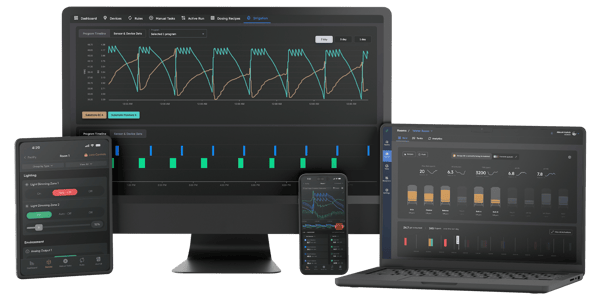
 Ted Tanner, CEO and Co-Founder
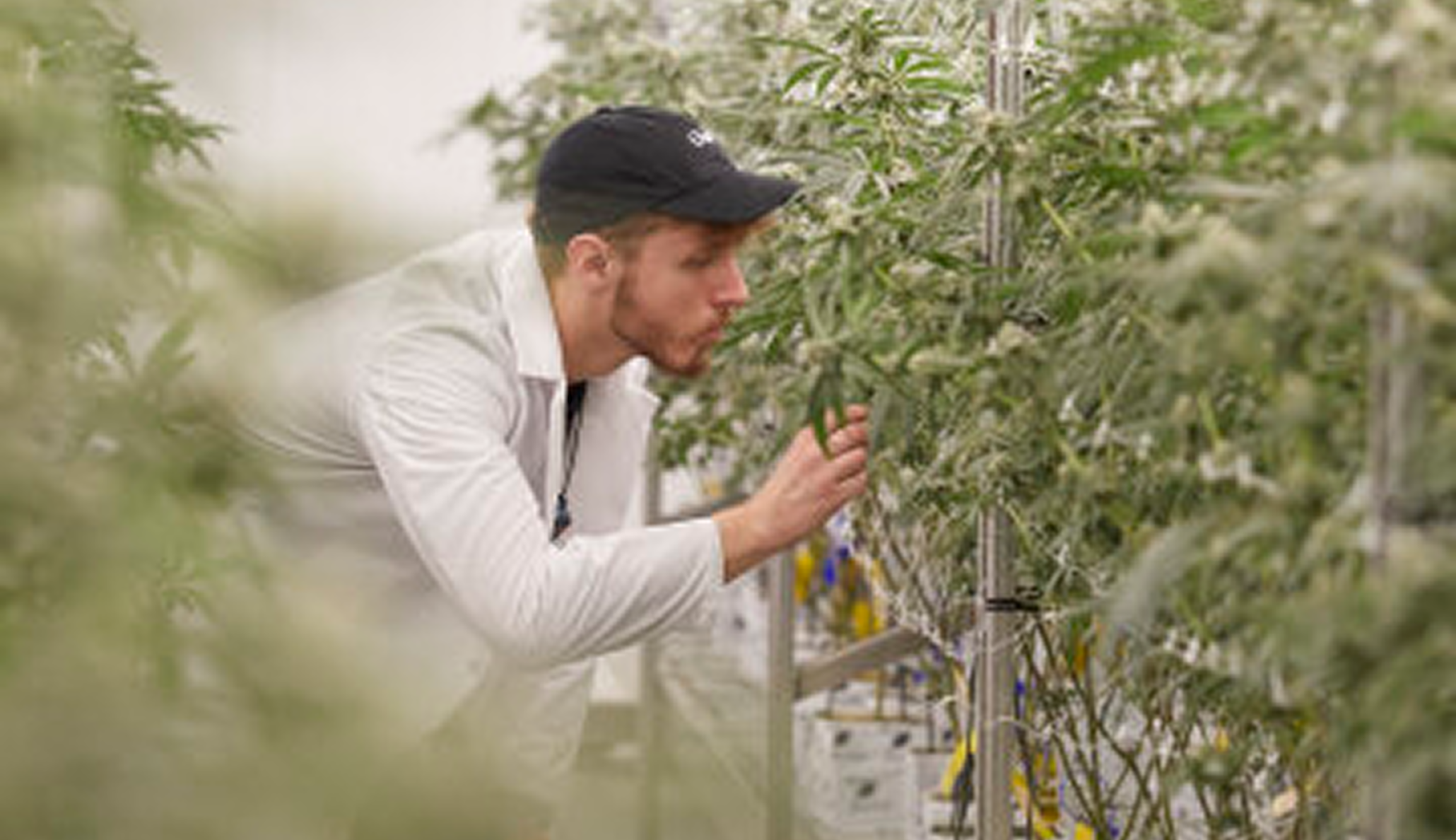
Most operators think their next big jump in revenue will come from a new building, more rooms, or new lights. In reality, the biggest opportunity is already sitting in the rooms they have today. A facility consistently hitting 50 g/sqft could be leaving $1M or more in annual revenue on the table — without adding a single square foot of space or buying a single piece of new equipment.
After working with hundreds of commercial grows across North America, the pattern is clear: the gap between average and elite performance isn't equipment. It's execution. The question worth asking isn't "How can we get more out of new rooms?" It's "How much are we leaving behind in the rooms we already have?"
The Gap Between 50 and 110 Grams Per Square Foot
Let's be direct about what this gap actually means financially.
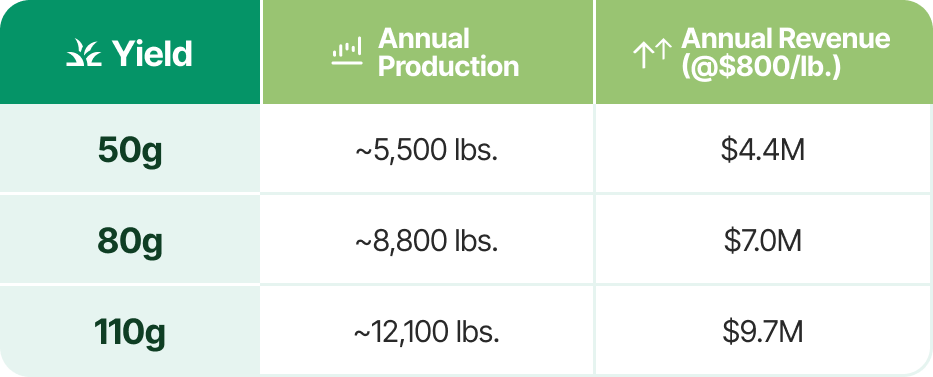
Operations hitting 120 g/sqft in indoor cultivation exist today. That's not a hypothetical — it's the new benchmark. And in nearly every case, the gap between where most facilities are and where those operations are comes down to the same set of variables. None of them require new capital equipment.
Why Facilities Stall at 50–80 g
Most underperforming rooms aren’t failing. They’re “almost right.” Here are some patterns that quietly lock facilities into that 60–80 g/ft² range.
Genetics Are Doing More Work Than You Think
This is the most underestimated lever in cultivation. Elite operators aren't just running popular strains — they're running proven, dialed-in cuts that have been tested and selected specifically for canopy structure, density, and response to high light intensity. Phenotype selection is a craft. Running the wrong cut through a perfect environment still produces mediocre results.
VPD Discipline — or the Lack of It
Vapor Pressure Deficit is probably the most overlooked variable separating good grows from great ones. Elite growers manage VPD tightly — often within ±0.1 kPa of target — at every growth stage, and critically, across the entire canopy, not just at sensor height. Temperature and humidity relationships drift constantly throughout a 12-hour photoperiod. If you're not actively managing that curve, you're throttling transpiration, nutrient uptake, and ultimately yield — every single day.
Light Intensity Without the Environment to Match
Running high PPFD without matching it to CO₂ levels, VPD targets, and airflow across the canopy doesn't produce proportional gains — it produces heat stress and diminishing returns. High-yield operators are pushing DLI (Daily Light Integral) of 40–65+ mol/m²/day because their environment can actually support it. They're also managing spectrum shifts strategically: more blue-spectrum during vegetative growth, red-heavy during flower, with supplemental far-red to drive the Emerson effect at lights-out.
CO₂: Present But Not Optimized
Most facilities run CO₂, but few run it correctly. Elevated CO₂ (1,000–1,500 ppm) only increases photosynthetic rate when it's correlated with light intensity. If your PPFD is high and your CO₂ is lagging, or if CO₂ is being injected during dark periods, you're wasting it. The plants can't use what they can't process.
Irrigation and the Fertigation Gap
High-yield growers have moved beyond schedule-based irrigation. They're running high-frequency fertigation — many small shots per day — timed precisely to dry-back targets. They're managing substrate water content (WC%) and EC in the root zone using substrate sensors, not guesswork. They're feeding the plant's demand curve. Watering on a clock is one of the most common silent yield killers in commercial cultivation.
Canopy Management: Every Watt Should Hit a Bud Site
More canopy uniformity means more usable light. Elite operators have standardized their training protocols — topping, lollipopping, defoliation timing — so that every plant is structurally predictable and light penetration is consistent. They've mapped PPFD across every square foot of their rooms and adjusted fixture placement accordingly. Light hitting a stem or the floor isn't producing yield.
Thermal Management at High Intensities
At 1,000+ µmol/m²/s, leaf surface temperature can decouple significantly from ambient air temperature. Without adequate airflow directly across the canopy, you're throttling photosynthesis even when every other variable looks correct on paper. This is an indoor-specific problem — and one of the more invisible ones.
The Real Culprit: Consistency
Here's what separates a facility that hits 100 g/sqft once from one that hits it every run: documentation and repeatability.
High performers have encoded their best runs into crop recipes — fixed protocols for VPD targets by week, irrigation frequency, canopy height, light intensity schedules, CO₂ setpoints, and nutrient EC. They execute the same protocol every cycle. When yield drops, they have the data to know exactly what changed.
Most facilities are losing yield not because of catastrophic failures, but because of small, accumulated deviations. A 0.3 kPa VPD drift here. An irrigation shot missed there. A CO₂ concentration that dipped during peak light hours. None of these are visible in the moment. All of them compound over a 8-week run.
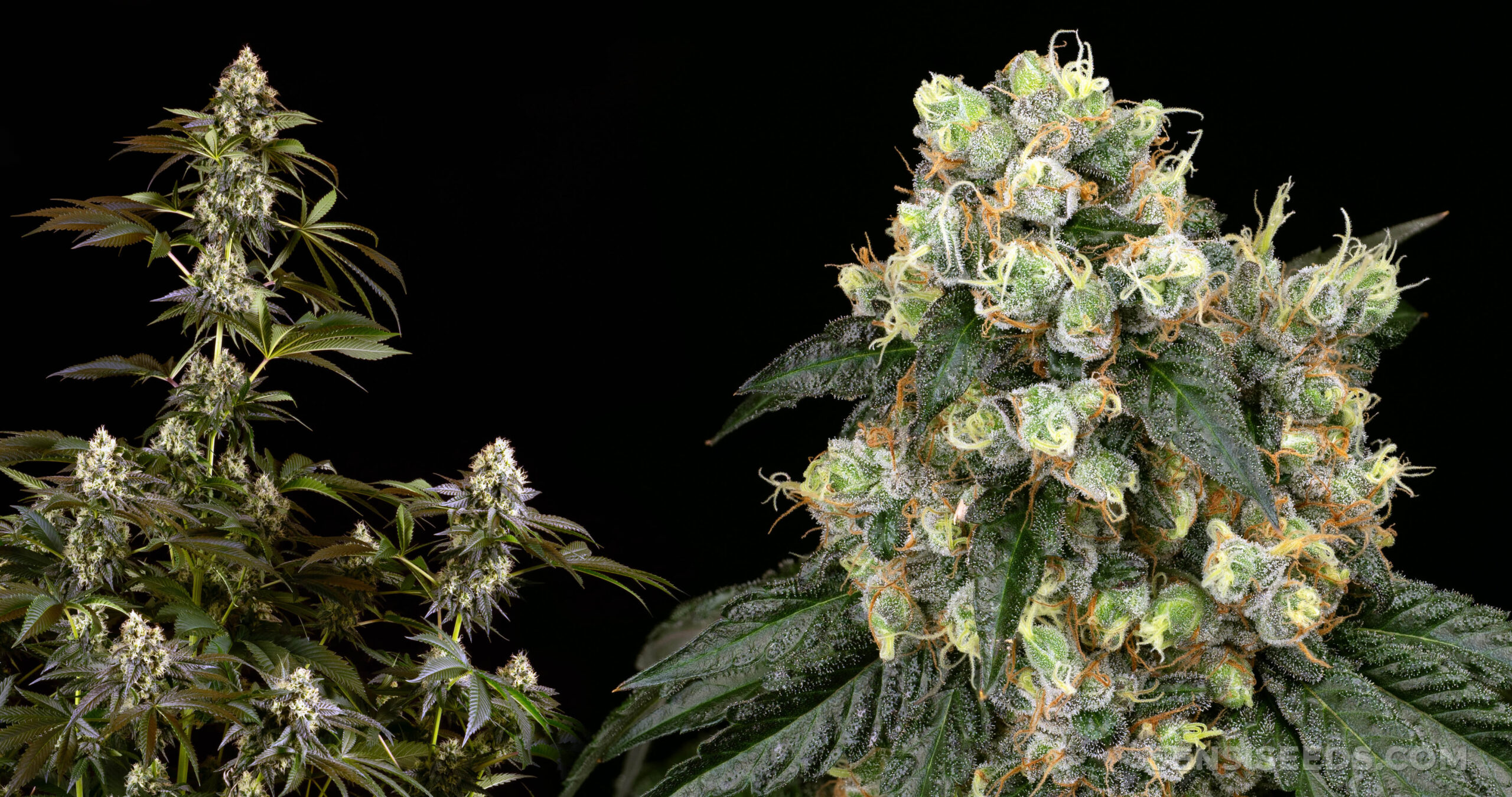
The Missing Layer: Real-Time Intelligence
The facilities consistently performing at the top aren't just better at executing — they're better at knowing what's happening while it's happening. They're not reacting to end-of-run data. They're adjusting in real time.
That's the core capability gap that most operations are missing. Not hardware. Not space. Operational intelligence.
Key capabilities that close this gap include:
- Dry-back precision: Targeting specific percentage drops between irrigation events by growth phase
- EC tracking: Monitoring the substrate to balance between vegetative and generative growth
- Pulse irrigation: High-frequency small shots that maintain moisture and oxygen balance in the root zone
- Cross-run benchmarking: Comparing performance across rooms, strains, and operators to surface what's actually driving results
When this data is unified and acted on in real time, growers don't have to rely on intuition alone. The system surfaces the deviations before they cost yield.
Why AI Is the Next Unlock
At 110 g/sqft and beyond, everything is connected. Transpiration changes EC dynamics. Dry-back forecasts shift with ambient temperature. Stress manifests in subtle environmental signatures before it shows up visually. Tracking all of this manually — across multiple rooms, multiple strains, multiple operators — isn't realistic.
AI-driven systems handle the pattern recognition that humans can't sustain consistently. They connect the dots between sensor data, irrigation behavior, environmental conditions, and crop outcomes across hundreds of data points per day. They flag deviations before they compound. They identify what a "perfect run" actually looked like and help replicate it.
An AI-first cultivation engine can:
- Predict plant stress before visual symptoms appear
- Automate irrigation decisions based on real-time substrate conditions
- Coordinate climate control and irrigation to maintain transpiration pressure
- Keep you on the "perfect day" model every day — including replays, edits, and strain-specific adjustments
The goal isn't to replace the grower's expertise. It's to make sure that expertise is applied consistently, across every room, every run.
The Operator Mindset Shift
The question isn't "How do I get more production from new square footage?" It's "How much am I leaving behind in the square footage I already have?"
Elite facilities are investing in intelligence, data, and systems — not just automation and controls. They're finding and eliminating the invisible inefficiencies that accumulate across every run. They understand that the infrastructure they already have can produce dramatically more if the execution layer is tightened.
The growers hitting 120 g/sqft aren't doing something magical. They have better genetics, tighter VPD, smarter irrigation, matched CO₂, consistent canopy work, and systems that surface deviations before they become losses. Most importantly, they run the same playbook every time — and they know when it's not being run correctly.
The Million-Dollar Decision
If you're reading this, you likely already have the infrastructure to outperform your current yield. The question is whether you have the intelligence layer — the data, the automation, and the AI — to actually get there.
GrowLink is built to close that gap. Not by replacing what's working in your operation, but by giving your team the real-time visibility, automated precision, and crop intelligence to execute at the level your facility is already capable of.
Your rooms are ready. The question is whether your systems are.