 Ted Tanner, CEO and Co-Founder
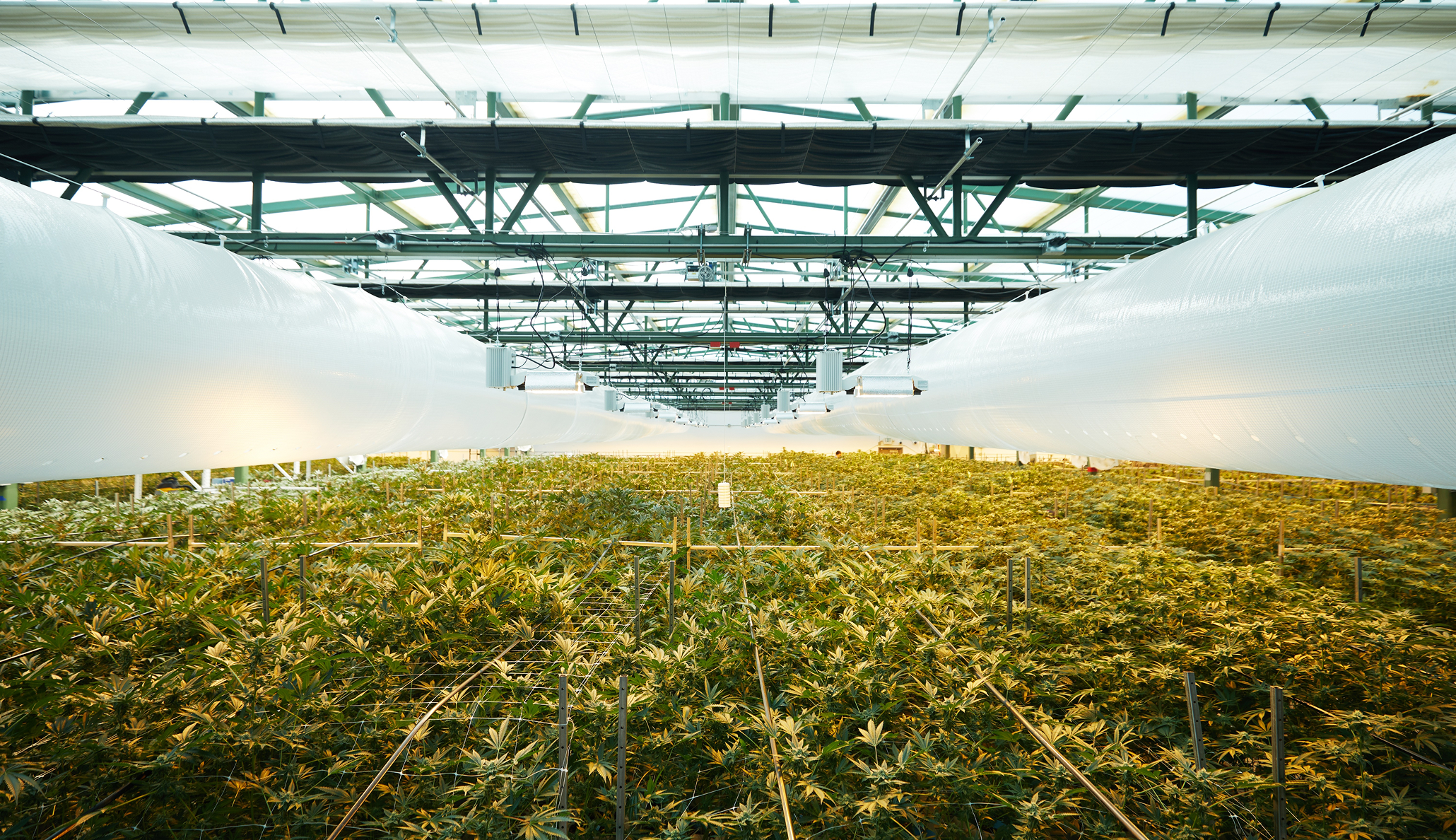
If you move from one site and one head grower to five sites and fifteen rooms, your standard operating procedures (SOPs) will be tested in ways they were never designed for. It’s not that your SOPs are bad; they were built for a simpler operation than the one you run today. The challenge is turning good local practices into a repeatable, reliable multi-site system.
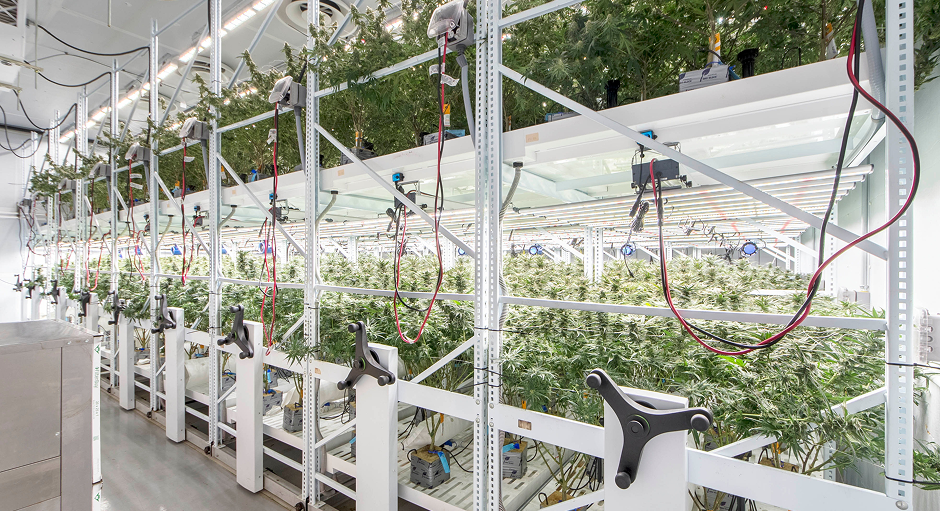
Two Hidden Bottlenecks: People and Paper
Most commercial cultivators have SOPs saved somewhere—binders, SharePoint, or a GDrive folder. In practice, those documents are only part of the story. The other part is the hands-on experience that lives in one person’s head, usually the head grower. They know which cultivar tolerates a more aggressive dryback, which rooms run hotter, and when to adjust the VPD band.
That works in a single facility; at multi-site scale, it becomes both a bottleneck and a risk. Six months into expansion, the written SOPs are often out of sync with what is actually happening on the floor, room by room. Rooms get retrofitted with new LEDs or a different DLI profile, but the documents never change.
At the same time, your head grower cannot be everywhere, and when they are off-site, sick, or eventually move on, a significant portion of your “real” SOP walks out with them. The result is familiar: yields fluctuate, phenos behave differently by site, and each facility develops its own version of “how we do things here.”
How SOPs Break in Day-to-Day Execution
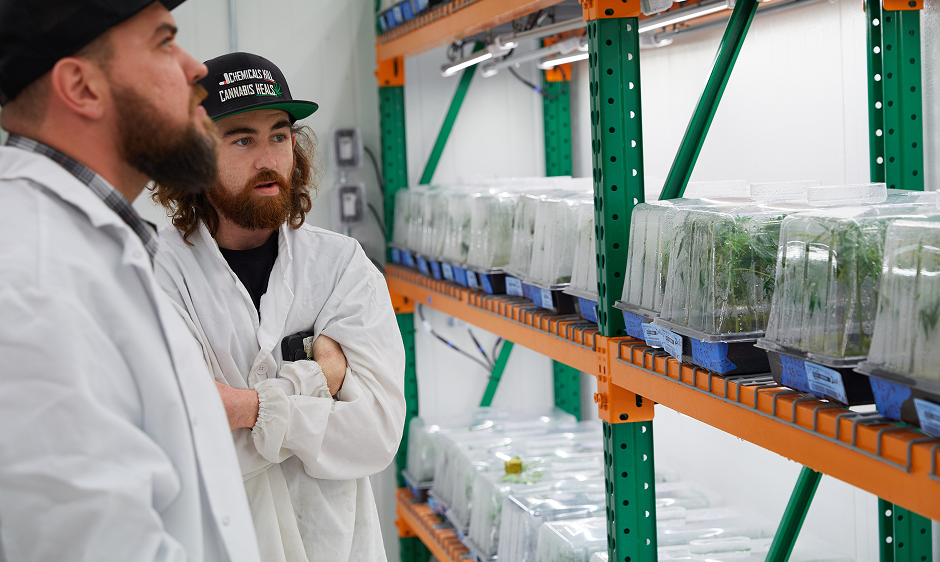
Even with solid documents and a strong head grower, SOPs tend to fail in a few predictable places:
-
The first point of failure is manual execution: if irrigation timing, shot sizes, and climate adjustments rely on staff remembering setpoints and making changes by hand, drift is inevitable.
-
The second is the lack of a closed loop. You set targets for EC, WC%, temperature, RH, and PPFD, but you are not continuously checking performance against those targets. By the time an issue is obvious, you are reviewing a disappointing harvest instead of correcting mid-cycle.
-
The third is version control. One team improves an SOP for a specific cultivar or environment, but those changes remain local, and other facilities keep running a previous version even when it is underperforming.
As you add more rooms and facilities, these gaps compound. At some point, you are no longer running one scalable system; you are managing a collection of one-off grows that only share a brand.
What Better, Scalable SOPs Actually Require
To make SOPs work at scale, three capabilities matter most:
-
The first is the ability to translate cultivation strategy into clear, machine-enforceable rules by defining irrigation, climate, and fertigation logic precisely enough that a control system can execute it, not just a senior grower.
-
The second is continuous, high-quality measurement. You need reliable sensor data across sites to see whether rooms are actually operating within your SOP bands. That turns SOPs from static documents into targets you can monitor and manage in real time.
-
The third is a structured way to learn and update. When a facility improves performance by adjusting setpoints or timing, you need a process to capture that change, validate it with data, and promote it into the standard SOP.
This is where cultivation platforms, automation, and analytics tools become essential. They give you the infrastructure to execute SOPs consistently, see when and where they fail, and update them based on evidence rather than anecdotes.
How Technology Helps Shorten the Learning Curve
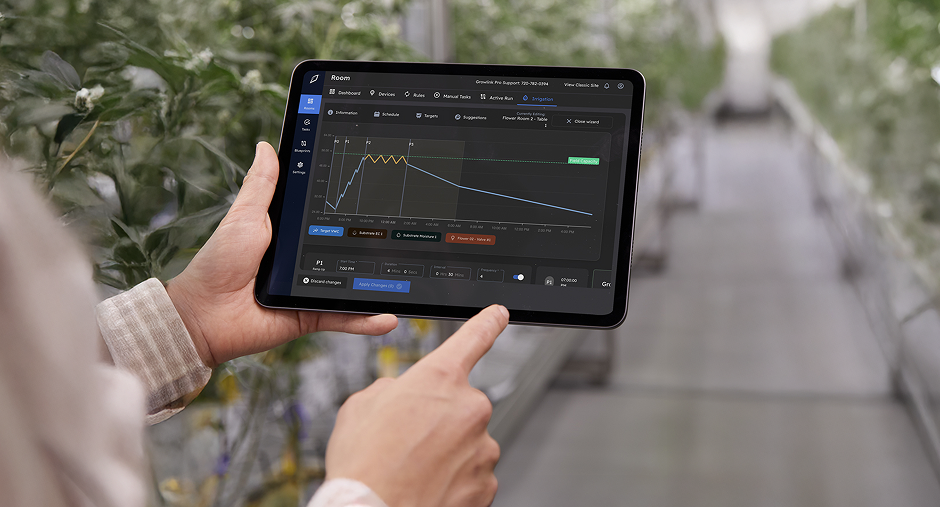
The goal is to help growers make their best decisions repeatable across every facility and shift. Growlink is built to do exactly that.
It takes the cultivation strategy defined by your team and applies it consistently using integrated sensors, controls, and software. By hardwiring SOPs into the control stack, irrigation, climate, and fertigation rules run automatically instead of depending on someone remembering each adjustment.
Cultivar-specific irrigation programs, DLI-based light dimming, and climate bands become enforceable instructions on the controller, not just guidelines on paper. Meanwhile, real-time data flowing into a central platform shows you which rooms are operating within SOP targets and which are drifting. Intelligent agents embedded within your Blueprints then drive the crop steering strategy, optimizing irrigation, nutrient delivery, and environment based on live sensor inputs. New hires can rely on clear WC%, EC, and environmental conditions. Over time, this shortens the training curve and makes performance less dependent on a handful of experts at each site.
Turning Proven Strategies into Reusable Blueprints
Commercial cultivators already have cultivars and strategies that perform very well in specific rooms, under specific conditions, with specific teams. The real challenge is reproducing that performance in new facilities and new markets without starting from a blank page each time.
Growlink is introducing Blueprints 2.0 in March 2026 to help solve this. Blueprints 2.0 takes proven irrigation, climate, and lighting strategies and turns them into configurable SOP templates that live inside your control system.
You can assign a blueprint to a room, adjust for local constraints, and have the system execute it consistently, then refine and redeploy updated versions as you collect performance data across your portfolio. Your "best practices" stop being isolated successes and become the default starting point for every new site and room.
Scaling Without Losing Control
As you add more rooms, sites, and SKUs, the core questions stay the same: are we consistent, can we trust the data, and could we still run these facilities if a key person left tomorrow? By treating SOPs less like static documents and more like a living system that is executed, measured, and improved, you can reduce the learning curve and protect your brand as you expand. That is how you align technology, people, and process so each new harvest has a better chance of being your best, at every site.
